

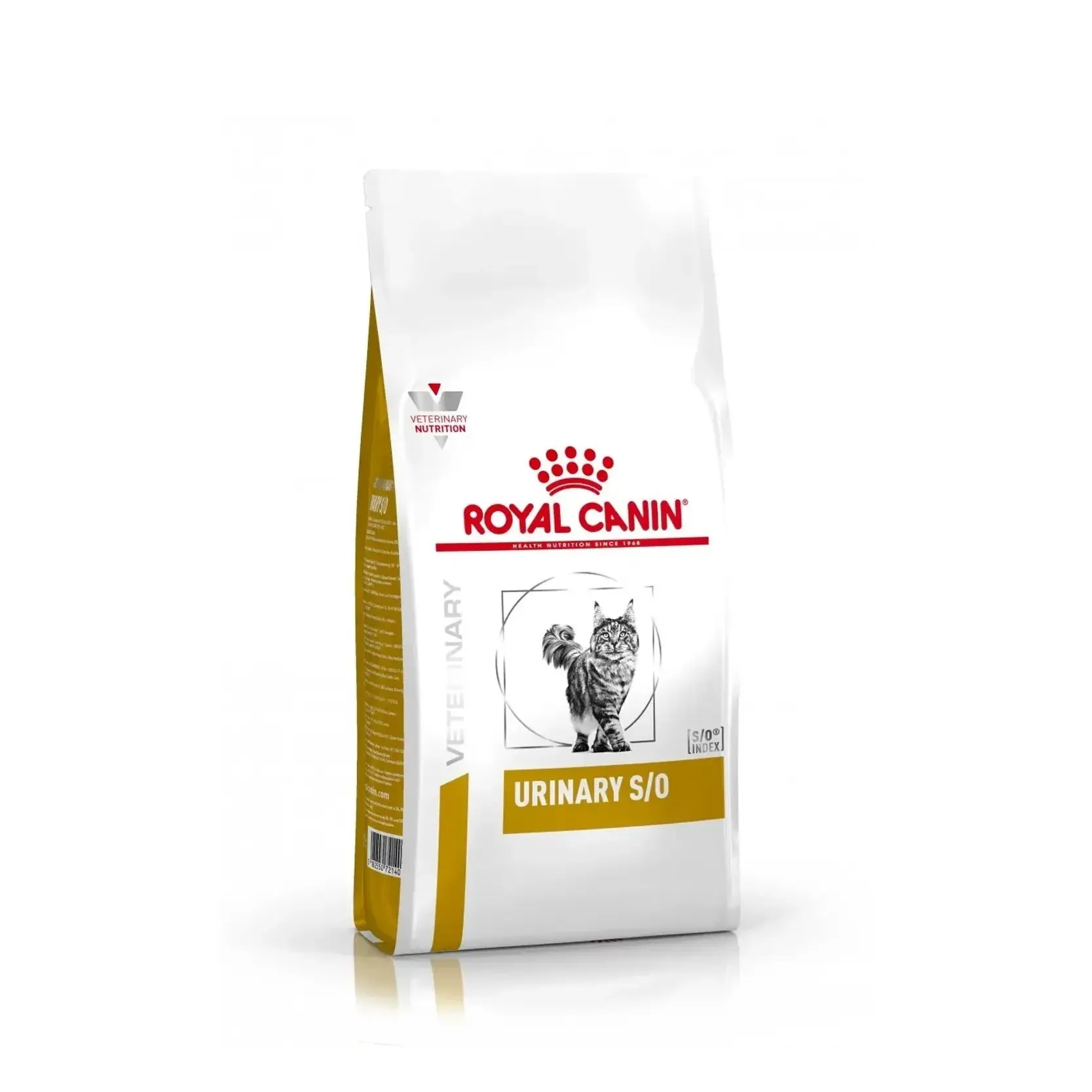
Urinary tract disease is one of the most frequently diagnosed conditions in adult cats, and diet is among the most effective tools for managing it. Royal Canin Urinary S/O is a veterinary-grade formula developed specifically to reduce the risk of the two most common crystal types in feline urine. This article breaks down how the diet works, which cats stand to benefit most, and what owners should expect when making the switch.
Why Urinary Health Matters for Cats
Feline lower urinary tract disease (FLUTD) is an umbrella term covering several conditions that affect the bladder and urethra. These include struvite and calcium oxalate crystal formation, idiopathic cystitis, and in the most serious cases, complete urethral obstruction. Male cats are particularly vulnerable because their narrower urethra can block more easily, turning a painful but manageable condition into a veterinary emergency within hours.
What makes urinary disease especially common in indoor and neutered cats is the combination of low physical activity, reduced water intake from dry-food-heavy diets, and metabolic changes after sterilization. Together these factors create concentrated, mineral-rich urine that provides the ideal conditions for crystal formation. Dietary intervention addresses several of these variables simultaneously, making it a cornerstone of both prevention and long-term management.
What Sets Royal Canin Apart in Veterinary Nutrition
Royal Canin occupies a distinct position in the pet food market: rather than formulating broad-appeal diets and adding a health marketing claim, the company develops condition-specific formulas in collaboration with veterinarians and veterinary nutritionists. Their urinary range reflects this approach. Each formula is designed to meet therapeutic targets measured through clinical testing, not simply to limit a handful of minerals and call it urinary support.
The Royal Canin Urinary S/O line is classified as a veterinary diet, meaning it is formulated to therapeutic standards and is typically recommended or dispensed under veterinary guidance. This distinction matters for cat owners trying to navigate a crowded market of products that use urinary health language without the clinical backing to support it.
Key Benefits of Royal Canin Urinary S/O
The formula combines several mechanisms that work together to reduce crystal formation risk, support dissolution of existing struvite deposits, and encourage the hydration levels that healthy urinary function depends on. Each benefit addresses a different piece of the urinary disease puzzle.
Promotes an Unfavorable Environment for Crystal Formation
The name S/O stands for struvite (S) and oxalate (O), the two crystal types the formula is designed to address. This dual-action design is clinically meaningful because struvite and calcium oxalate crystals form under opposite urine chemistry conditions. Struvite precipitates in alkaline urine; calcium oxalate tends to form in acidic urine. Rather than pushing pH to one extreme, Royal Canin Urinary S/O maintains urine within a specific range and ionic strength that discourages both crystal types simultaneously.
Relative Supersaturation (RSS) Technology
Royal Canin uses a validated measurement called the Relative Supersaturation index to quantify a diet’s crystal-forming potential. RSS measures the actual risk of crystal precipitation in real feline urine after consuming the diet, rather than relying on the theoretical mineral content of the food alone. A low RSS score indicates that urine is insufficiently saturated to form crystals under normal conditions. This makes RSS a more clinically meaningful benchmark than comparing ingredient percentages between products.
Encourages Higher Water Intake
Urine dilution is one of the most important protective factors against crystal formation. The more dilute the urine, the lower the concentration of mineral compounds that can precipitate into crystals. Royal Canin Urinary S/O dry formulas incorporate a controlled sodium level calibrated to stimulate thirst, increasing water intake without reaching levels that would be inappropriate for cats with normal kidney function. For cats with a strong preference for dry food, this mechanism helps achieve meaningful hydration without requiring a transition to wet food.
Supports Dissolution of Existing Struvite Crystals
Struvite is the only common feline urinary crystal type that responds to dietary dissolution. Calcium oxalate crystals require physical removal by a veterinarian. When used as directed under veterinary supervision, Royal Canin Urinary S/O can help resolve mild-to-moderate struvite accumulation by acidifying urine and reducing struvite supersaturation. This makes it possible in some cases to address the condition without surgical intervention, which is a significant clinical and practical advantage for the cat and the owner alike.
Complete and Balanced Nutrition
A reasonable concern with any therapeutic diet is whether restricting certain nutrients compromises overall nutritional completeness. Royal Canin Urinary S/O is formulated to meet adult maintenance nutritional profiles, meaning cats receive all required vitamins, minerals, proteins, and fats while benefiting from the urinary-protective formulation. Long-term feeding is appropriate for cats with chronic urinary issues without the need to rotate diets or add supplements.
Which Cats Are Most Likely to Benefit
Not every cat with occasional litter box issues needs a therapeutic urinary diet, but for cats with a documented history of urinary problems, the formula offers meaningful protection. Veterinarians typically recommend Royal Canin Urinary S/O for cats that have experienced one or more of the following:
-
One or more episodes of urethral obstruction
-
Diagnosed struvite or calcium oxalate crystals or uroliths confirmed by urinalysis or imaging
-
Recurrent idiopathic cystitis where dietary management is part of the treatment plan
-
Persistently elevated urine specific gravity indicating chronically concentrated urine
Cats that have experienced a single episode of urinary difficulty without a confirmed crystal diagnosis may also benefit while further diagnostic workup is completed. It is important to consult a veterinarian before starting any therapeutic diet, particularly in cats with concurrent kidney disease, where different nutritional targets apply.
Transitioning Your Cat to a Urinary Diet
Cats are among the most food-conservative domestic animals, and abrupt diet changes frequently result in digestive upset or flat refusal. A gradual transition spread over seven to ten days minimizes both risks and gives the cat time to accept the new flavor and texture.
-
Days 1 to 3: 25% new food mixed with 75% current food
-
Days 4 to 6: 50% new food mixed with 50% current food
-
Days 7 to 9: 75% new food mixed with 25% current food
-
Day 10 onward: 100% new food
If a cat refuses to eat during the transition, slowing the schedule or warming the food slightly to enhance aroma can help. In multi-cat households, feeding times should be separated so that the cat requiring the therapeutic diet cannot access other cats’ food, and vice versa.
Monitoring Progress on a Urinary Diet
Switching to a urinary diet is not a one-time fix. It requires follow-up to confirm that the diet is achieving the intended effect and that no underlying condition is progressing despite dietary management. Veterinarians typically schedule a urinalysis four to eight weeks after the diet change to assess urine pH, crystal presence, and specific gravity.
Positive signs that the diet is working include the absence of straining at the litter box, a normal urine stream, and no visible blood in the urine. Any return or worsening of symptoms should prompt an immediate veterinary visit. Some cats require additional interventions alongside diet, including environmental enrichment to reduce stress-related cystitis, increased access to running water through a pet fountain, or short-term medication.
Where to Source Royal Canin Urinary Cat Food
Therapeutic diets are available through veterinary clinics and licensed pet specialty retailers. For cat owners in Hong Kong, the royal canin urinary dry formula is stocked at PetDogHK, a local pet supply retailer that carries the full S/O line. Sourcing from a reputable retailer ensures product authenticity and unbroken cold-chain handling for formulas that require specific storage conditions.
Frequently Asked Questions
The following questions address the most common points of uncertainty for cat owners considering or already using a Royal Canin urinary diet.
Can I Feed Royal Canin Urinary S/O to a Healthy Cat as a Preventive Measure?
Royal Canin Urinary S/O is formulated for cats with diagnosed or recurring urinary conditions. The elevated sodium content used to promote water intake may not be appropriate for indefinite feeding in cats without a urinary issue, particularly those with any degree of reduced kidney function. Speak with a veterinarian before using it preventively rather than therapeutically.
Is the Dry Formula as Effective as the Wet Version?
Both dry and wet Royal Canin Urinary S/O formulas are formulated to deliver the same crystal-management outcomes, but through different mechanisms. Wet food increases water intake passively through moisture content, while the dry formula relies on sodium-stimulated thirst to achieve a comparable effect. For cats with a history of severe or recurrent obstructions, many veterinarians prefer wet food or a mixed feeding approach. Your veterinarian can advise based on your cat’s specific history and preferences.
How Long Does My Cat Need to Stay on a Urinary Diet?
Duration depends on the underlying condition. Cats with a single confirmed struvite episode may be able to transition off a therapeutic diet once crystals have resolved, verified by follow-up urinalysis. Cats with chronic calcium oxalate disease or recurrent FLUTD are generally kept on a urinary diet long-term. Do not discontinue based on symptom resolution alone without veterinary confirmation that the underlying condition has been adequately addressed.
Final Thoughts
Urinary health is a persistent concern for many cats, but it is also one of the most manageable feline health conditions when approached with the right nutrition. Royal Canin Urinary S/O offers a clinically grounded, dual-crystal approach supported by RSS technology and formulated for nutritional completeness over the long term. When combined with regular veterinary monitoring, adequate hydration, and appropriate environmental management, it provides a solid foundation for protecting a cat’s lower urinary tract throughout adult life.