

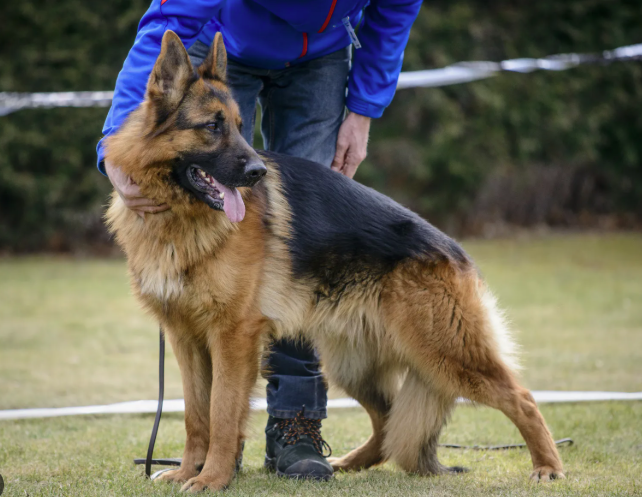
German Shepherds are known for their loyalty, intelligence, and natural alertness, making them a popular choice for families seeking companionship and security. These dogs can form strong bonds with their owners, learn commands quickly, and remain attentive to their surroundings. With proper training and socialization, they can become dependable family companions. For more information about the breed, visit Czech Working Line, where you can explore information related to German Shepherds and their characteristics.
Choosing a protective dog requires more than selecting a popular breed. Families should consider temperament, exercise requirements, training needs, and the time they can dedicate to daily care. Understanding these factors can help you decide whether a German Shepherd is the right match for your home.
1. Strong Loyalty to Their Families
German Shepherds often develop close relationships with the people they live with. They enjoy spending time with their families and may naturally stay close to their owners around the house. This strong bond can help them become attentive companions who notice changes in their surroundings.
Their loyalty can also support their role as family watchdogs. A dog familiar with its household and daily routine may notice unfamiliar activity near the property and alert its owners. However, every dog has an individual personality, so early experiences, socialization, and responsible care remain important.
2. Natural Alertness Around Strangers
One reason families choose this breed is its alert and watchful nature. German Shepherds may notice unfamiliar visitors, unusual sounds, or activity near the entrance and respond by barking. This behavior can alert family members to something that deserves their attention.
Being alert does not mean a dog should react aggressively toward everyone it does not know. A well-socialized dog should learn to remain calm around visitors and follow its owner’s guidance. Families should encourage controlled behavior rather than treating excessive barking or fear as signs of effective protection.
3. Intelligence Makes Training Easier
German Shepherds are intelligent working dogs that generally respond well to consistent, reward-based training. They can learn basic obedience commands, walking manners, and household rules when lessons are clear and practiced regularly. These skills help owners manage their dogs confidently in everyday situations.
Training is particularly important in a family home because a large, powerful dog needs to understand boundaries. Commands such as sit, stay, come, and leave it can help owners guide behavior around visitors and children. Families interested in formal protection training should work with a qualified professional who prioritizes safety, control, and reliable obedience.
4. Can Be Affectionate With Children
A well-socialized German Shepherd can become a loving companion for children and other household members. These dogs may enjoy playing, walking, and participating in family activities. Their combination of affection and alertness can make them suitable for households that have enough time to meet their needs.
However, a dog’s breed alone cannot guarantee safe behavior around children. Adults should supervise interactions, teach children to respect the dog’s space, and prevent rough handling. Dogs should also have a quiet place to rest without being disturbed. With consistent guidance, families can encourage a respectful relationship between their dog and younger household members.
5. Provide Security Alongside Companionship
A German Shepherd can offer more than a sense of security. Its size, confident presence, and alert behavior may discourage unwanted attention around a home. For many households, a dog that notices unfamiliar activity and alerts its owners can be a useful part of a broader home-security routine.
However, a family dog should not be expected to handle every threat independently. Secure doors, suitable fencing, outdoor lighting, and other safety measures remain important. A well-trained dog should also be able to relax when no threat is present. Effective protection comes from confidence and control, not uncontrolled aggression or constant suspicion.
How to Prepare Your Home for a German Shepherd
Before bringing one home, consider whether your family can provide daily exercise, training, veterinary care, and mental stimulation. German Shepherds are active dogs that generally need regular walks, play, and activities that challenge their minds. Without enough engagement, some may develop unwanted behaviors such as excessive barking or destructive chewing.
Choose a dog whose temperament and energy level suit your household. Ask about the parents’ behavior, health screenings, and early socialization when speaking with a breeder. Establish household rules from the beginning and make sure everyone understands how to interact with the dog safely. These steps help create a more predictable environment for both the family and its new companion.
Final Thoughts
German Shepherds can be excellent companions for families seeking a dog that combines loyalty, intelligence, and natural alertness. Their suitability depends on responsible ownership, appropriate training, and positive socialization from an early age. Families should focus on developing calm, reliable behavior rather than encouraging unnecessary aggression.
For more information about German Shepherds and working-line dogs, visit Czech Working Line. Learning about the breed’s characteristics and needs can help prospective owners make informed decisions and prepare for responsible dog ownership.
FAQs
Are German Shepherds good family protection dogs?
Yes, they can be suitable with proper training, socialization, and responsible care.
Are German Shepherds good with children?
Many are, but adults should always supervise interactions between dogs and children.
Do German Shepherds need protection training?
Not every family needs formal protection training. Basic obedience and socialization are essential.
Are German Shepherds suitable for first-time owners?
They can be, but their exercise, training, and management needs require time and consistency.