
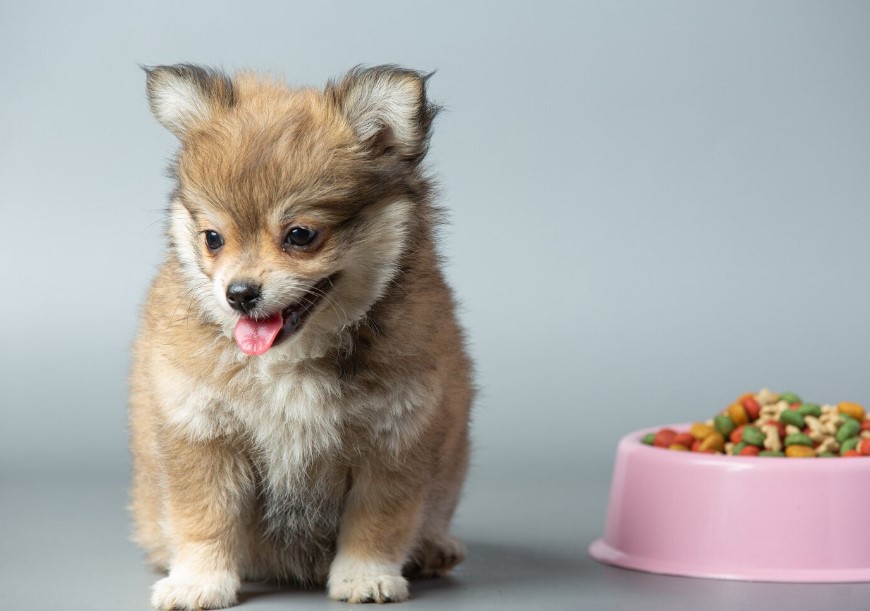
The best dog food for puppies is a complete and balanced formula made specifically for growth, with real animal protein as the first ingredient, DHA for brain development, and the right calorie level for your puppy’s breed size. Look for a label that says it meets AAFCO standards for growth or all life stages, and avoid fillers and artificial additives. Below, we walk through exactly how to narrow it down.
Why Puppies Need Their Own Food
Puppies grow at an astonishing speed. During the first year of life, they double or even triple their weight, gain bones, muscle tissue, and develop their immunity and brains. Adult dog food does not have enough calories, protein, calcium, and fat to support all that growth.
Puppy formulas, however, have increased amounts of protein and fat and a good balance of calcium and phosphorus to keep their bones healthy. Feeding your puppy adult food will fail to provide the proper nutrition it needs for its growth.
Choosing Best Dog Food for Puppies: What to Look For
When choosing puppy food, look at the list on the back of the bag. The fancy picture and brand name on the front are less important. Here is a list of what to look for:
Good signs:
-
Named animal protein first, such as chicken, lamb, turkey, or salmon
-
DHA from fish oil or similar sources for brain and eye development
-
Balanced calcium and phosphorus
-
Omega-3 and omega-6 fatty acids for skin and coat
-
Probiotics or prebiotics for sensitive tummies
-
An AAFCO statement for “growth” or “all life stages”
Red flags:
-
Corn, wheat, or soy as the main ingredients
-
Vague terms like “meat by-products” with no named source
-
Artificial colors, flavors, and preservatives
Match the Food to Your Puppy’s Size
Depending on the breed size, puppies have different nutritional needs. The table below indicates what you should look for when buying food for your puppy.
|
Puppy Size |
Adult Weight |
What to Look For |
|---|---|---|
|
Small and toy breeds |
Under 20 lbs |
Calorie-dense food, small kibble, frequent meals |
|
Medium breeds |
20 to 50 lbs |
Balanced protein and fat, moderate calories |
|
Large and giant breeds |
Over 50 lbs |
Large-breed puppy formula with controlled calcium and calories |
Large-breed puppies should not gain weight too quickly because a rapid growth spurt puts stress on the joints and the bones. It is a good idea to give them large-breed puppy food, which has reduced amounts of calcium and calories.
Best Puppy Food for Small Breeds
Small dogs have fast metabolisms and tiny stomachs, so the best puppy food for small breeds is energy-dense and made with bite-sized kibble that tiny mouths can handle. Toy breeds can also be prone to low blood sugar, so they often need three or four small meals a day instead of two big ones.
Small breeds also mature faster, often reaching adult size by 9 to 12 months, so most can switch to adult food earlier than larger dogs.
How Much and How Often to Feed
Here is a general guide, but always check the bag and your vet’s advice.
|
Puppy Age |
Meals Per Day |
|---|---|
|
8 to 12 weeks |
4 |
|
3 to 6 months |
3 |
|
6 to 12 months |
2 |
Use a measuring cup rather than guessing. Puppies should look lean, with ribs you can feel but not see. Extra weight in puppyhood puts stress on growing joints and can lead to problems later in life.
Switching Foods the Right Way
Changing food suddenly can cause an upset stomach. Transition slowly over 7 to 10 days:
-
Days 1 to 3: 75% old food, 25% new food
-
Days 4 to 6: 50% old, 50% new
-
Days 7 to 9: 25% old, 75% new
-
Day 10: 100% new food
When it’s time to move to adult food, use the same gradual method.
Common Mistakes to Avoid
-
Feeding adult dog food too early
-
Overfeeding because the puppy begs
-
Giving too many treats, which should stay under 10% of daily calories
-
Switching brands constantly
-
Adding supplements without asking your vet, since extra calcium can be harmful
Final Thoughts
Finding the best dog food for puppies doesn’t need to be stressful. Pick a formula for your puppy’s size, read the ingredients, feed measured portions, and watch your puppy’s energy, coat, and stools. Those are the best signs you’ve chosen well. When in doubt, your vet knows your puppy best and can guide you.
FAQs
Q. What is the best food for a puppy dog?
The best food is a complete and balanced puppy formula that suits your dog’s breed size, with real animal protein first and DHA for brain development. Large breeds need a large-breed puppy formula, while small breeds do well on calorie-dense, small-kibble recipes.
Q. What is the #1 vet recommended puppy food?
There is no official number one, because the right food depends on the puppy. Vets commonly recommend established brands that meet AAFCO standards and employ veterinary nutritionists. Ask your own vet for a pick that fits your puppy.
Q. Which puppy food do vets recommend?
Vets usually recommend foods from companies that have strong quality control, research-backed formulas, and nutritionists on staff. Vets also take into account the puppy’s breed size, age, and any special needs, so the best option is to get a recommendation from your local vet.
Q. What is the #1 puppy food?
No single food is the best for every puppy. Rather than looking for a number one, go for a formula that features quality protein, a growth-appropriate AAFCO statement, and a good safety record, and that you’ve seen your puppy do well on.
Q. What is the healthiest puppy food?
The healthiest puppy food has named animal proteins, DHA, balanced calcium and phosphorus, and no artificial colors or heavy fillers. It should be complete and balanced for growth and suited to your puppy’s size.